J-Word Play: June ’12
ã„ã¤ã‚‚何ã‹ã«ãƒãƒ£ãƒ¬ãƒ³ã‚¸ã—ã¦ã‚‹å›½ã¯ã©ã“?
(ã„ã¤ã‚‚ãªã«ã‹ã«ãƒãƒ£ãƒ¬ãƒ³ã‚¸ã—ã¦ã‚‹ãã«ã¯ã©ã“?)
(SELECT THE AREA BELOW TO SEE THE ANSWER)

(SELECT THE AREA BELOW TO SEE THE ANSWER)
Our riddle asks “Where is a country that is always challenging itself?” (I think this is the smoothest translation. In Japanese people “challenge” something. In English we challenge ourselves to do something)
The answer, as you might expect, is a pun. æœé®® (ã¡ã‚‡ã†ã›ã‚“)means Korea; that is, the area including both North and South. The same reading with different characters gives you 挑戦 (also ã¡ã‚‡ã†ã›ã‚“), which means to challenge or try.
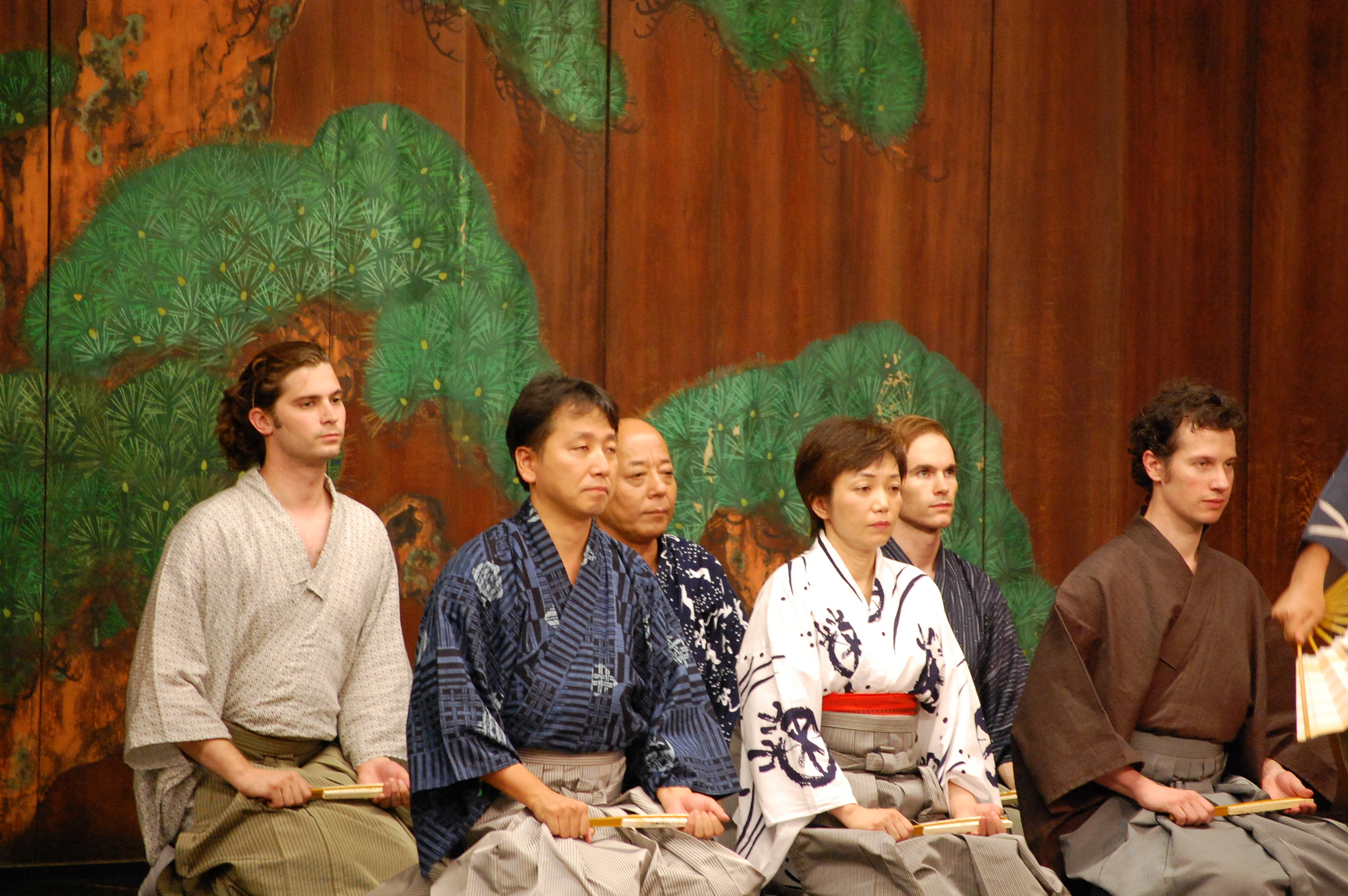
One part of the culture I really wanted to learn more about during my time as a JET was Japan’s rich theater history. I had studied traditional theater forms like Kabuki, Noh and Bunraku Puppet Theater in my college years, and when I was placed in Kyoto I was thrilled to be able to see…
楽器ãŒå¾—æ„ãªãƒˆãƒ©ã£ã¦ãªã‚“ã§ã—ょã†ã‹ï¼Ÿ
(ãŒã£ããŒã¨ãã„ãªãƒˆãƒ©ã£ã¦ãªã‚“ã§ã—ょã†ã‹ï¼Ÿ)
ã¿ã‚“ãªå¥½ããªè‚‰æ–™ç†ã£ã¦ãªã‚“ã§ã—ょã†ã‹ï¼Ÿ
(ã¿ã‚“ãªã™ããªã«ãりょã†ã‚Šã£ã¦ãªã‚“ã§ã—ょã†ã‹ï¼Ÿ)
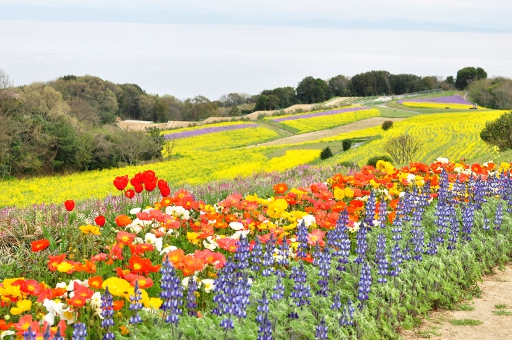
These hills are alive with a million flowers…
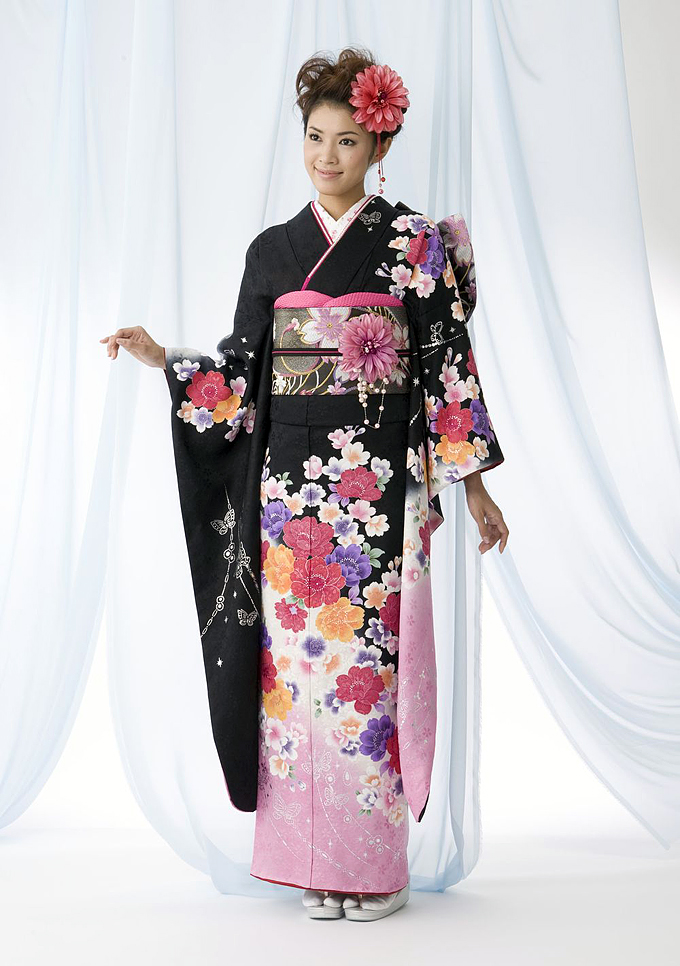
You see them walking down the street on the way to a wedding. You see them wrapped around white-faced maiko as they flutter past you in Gion. You see them at summer festivals and accompanying the click-clack of wooden geta along the riverfront of Kinosakionsen. The Japanese kimono. There is nothing else like it. For…

å¤ã®æ™´ã‚ŒãŸæ—¥ã«ä½¿ã†ãƒŠãƒ“ã£ã¦ã©ã‚“ãªãƒŠãƒ“?