J-Word Play: March ’11
1000æžšã®è‘‰ã£ã±ãŒã‚ã‚‹å ´æ‰€ã¯ã©ã“ã§ã—ょã†?
(1000ã¾ã„ã®ã¯ã£ã±ãŒã‚ã‚‹ã°ã—ょã¯ã©ã“ã§ã—ょã†?)
(SELECT THE AREA BELOW TO SEE THE ANSWER)
(SELECT THE AREA BELOW TO SEE THE ANSWER)
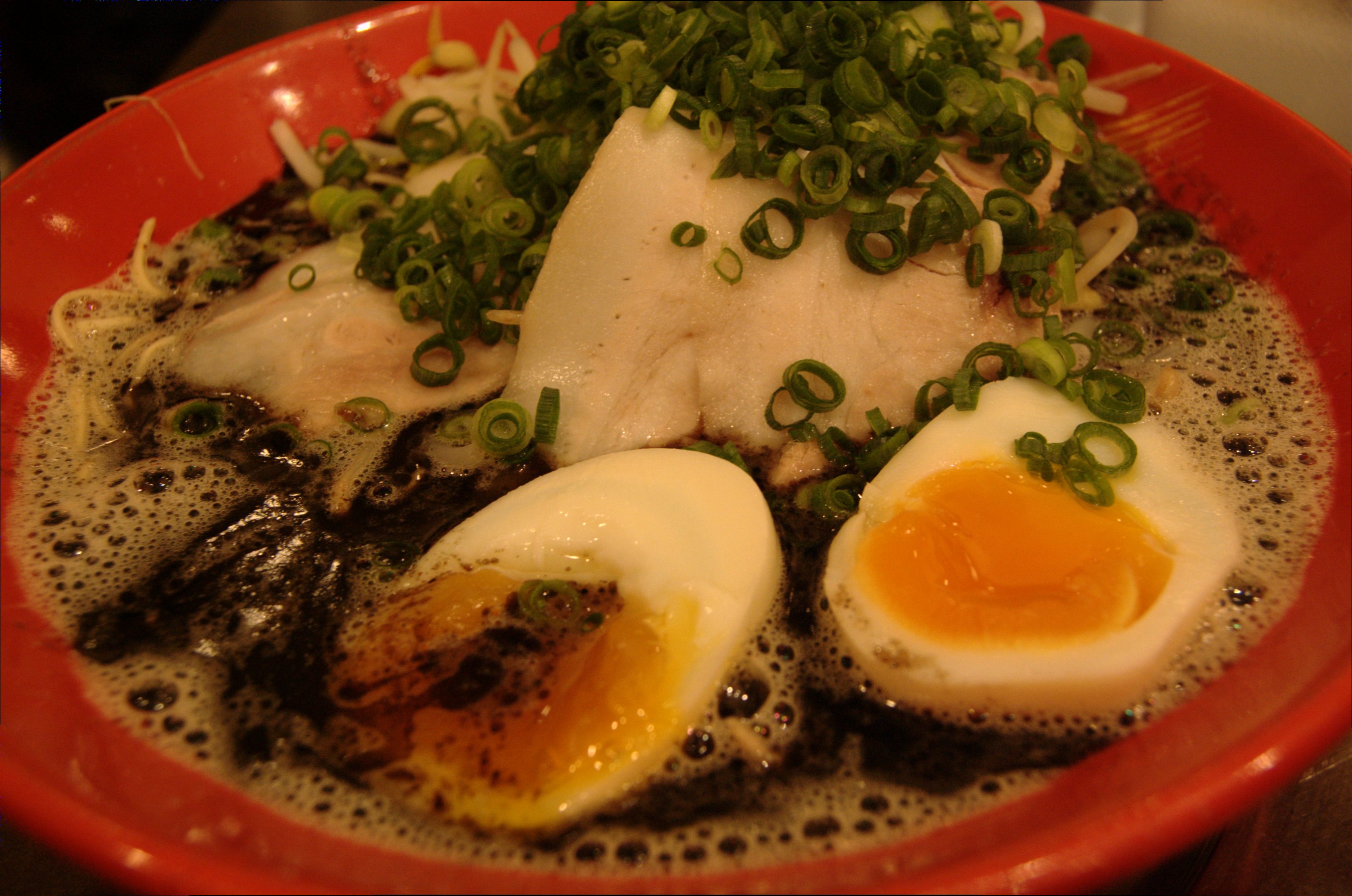
My brother came out over Christmas break, which mainly achieved two things:
It completely destroyed any hope I had of migrating to warmer climates for the 2 weeks. It gave me an excuse to do a lot of ramen-related traveling in the Kansai region.
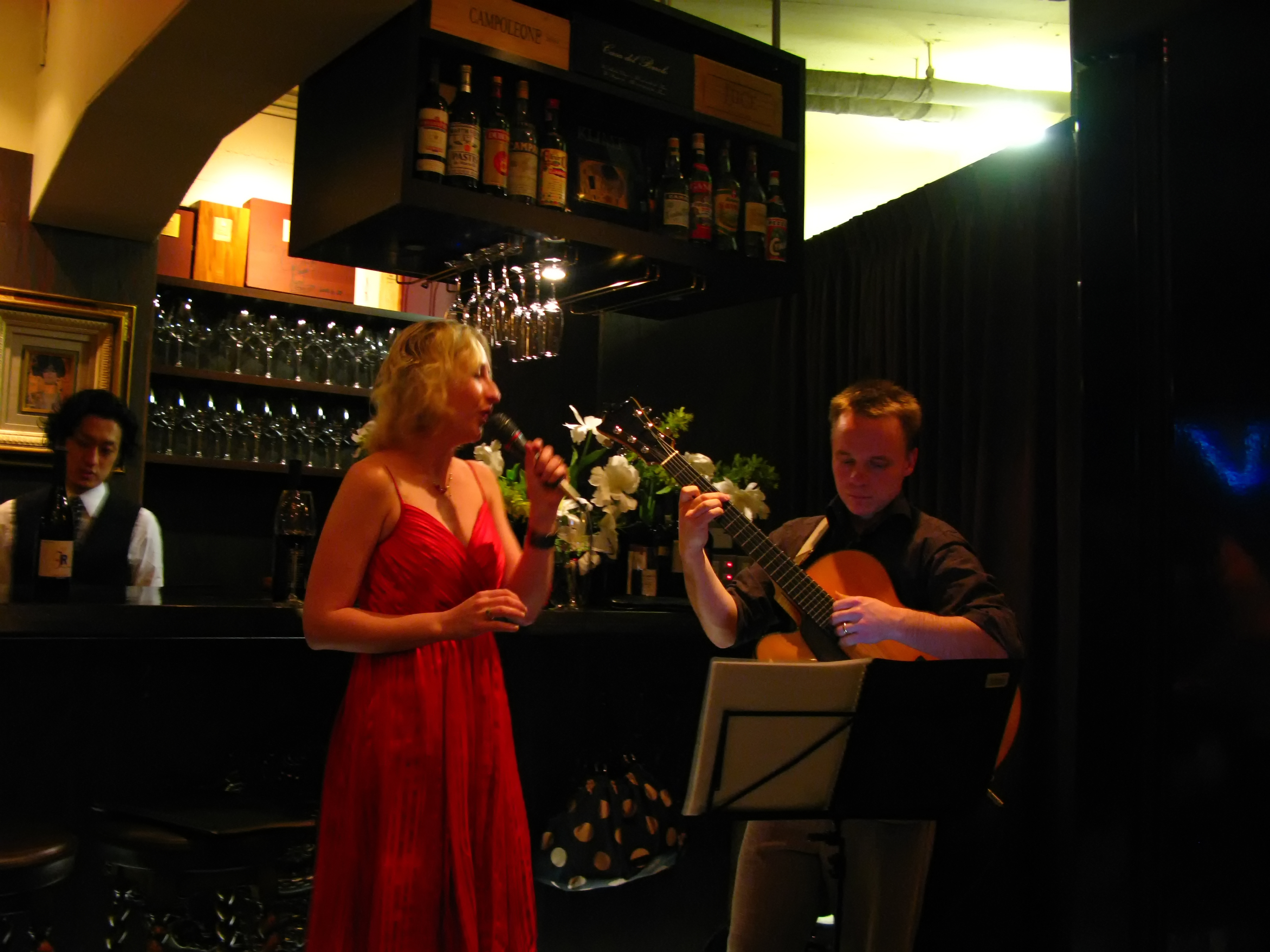
Kobe has a lot of nice restaurants, especially in Kitanozaka. Between the city’s huge international population and the local branch of Le Cordon Bleu cooking school, the slopes of Mt. Rokko are practically layered with good eats. Expensive, but good. From that perspective, then, Vieni still stands out from the pack. Located across from Sone, a Kitanozaka Jazz club with an unearned reputation, Vieni is sitting on some prime real estate, so you know the place has to measure up.

ã“ã“より下ã«ã„る生ã物ã£ã¦ãªã‚“ã§ã—ょã†ï¼Ÿ
(ã“ã“よりã—ãŸã«ã„ã‚‹ã„ãã‚‚ã®ã£ã¦ãªã‚“ã§ã—ょã†ï¼Ÿï¼‰
犯人ã«é–“é•ã‚ã‚ŒãŸäººã¯ãƒžãƒ³ã‚·ãƒ§ãƒ³ã®ä½•éšŽã«ä½ã‚“ã§ã„る?
(ã¯ã‚“ã«ã‚“ã«ã¾ã¡ãŒã‚ã‚ŒãŸã²ã¨ã¯ãƒžãƒ³ã‚·ãƒ§ãƒ³ã®ãªã‚“ã‹ã„ã«ã™ã‚“ã§ã„る?)
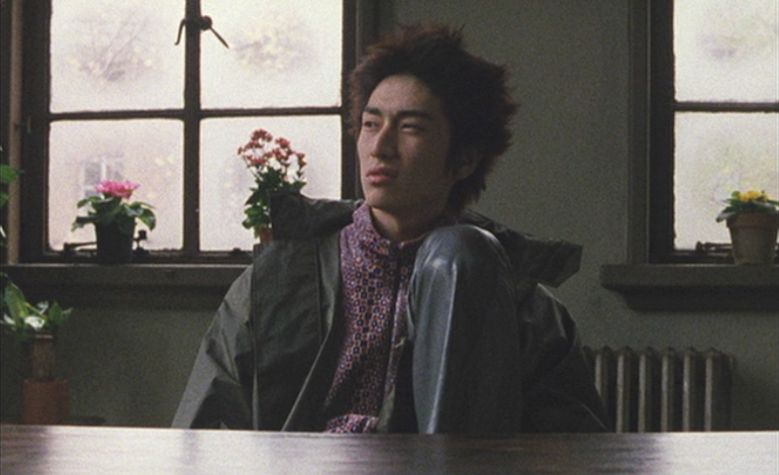
If you consider yourself a cinema enthusiast, you need to see the Hirokazu Koreeda (pronounced Kore-eda) film After Life (ワンダフルライフ). After Life is more than just a good movie; it presents a vision of life after death that can give anyone hope. Film lovers especially, however, will find themselves nodding in ferocious agreement when one of the deceased remarks, “…that really is heaven.â€
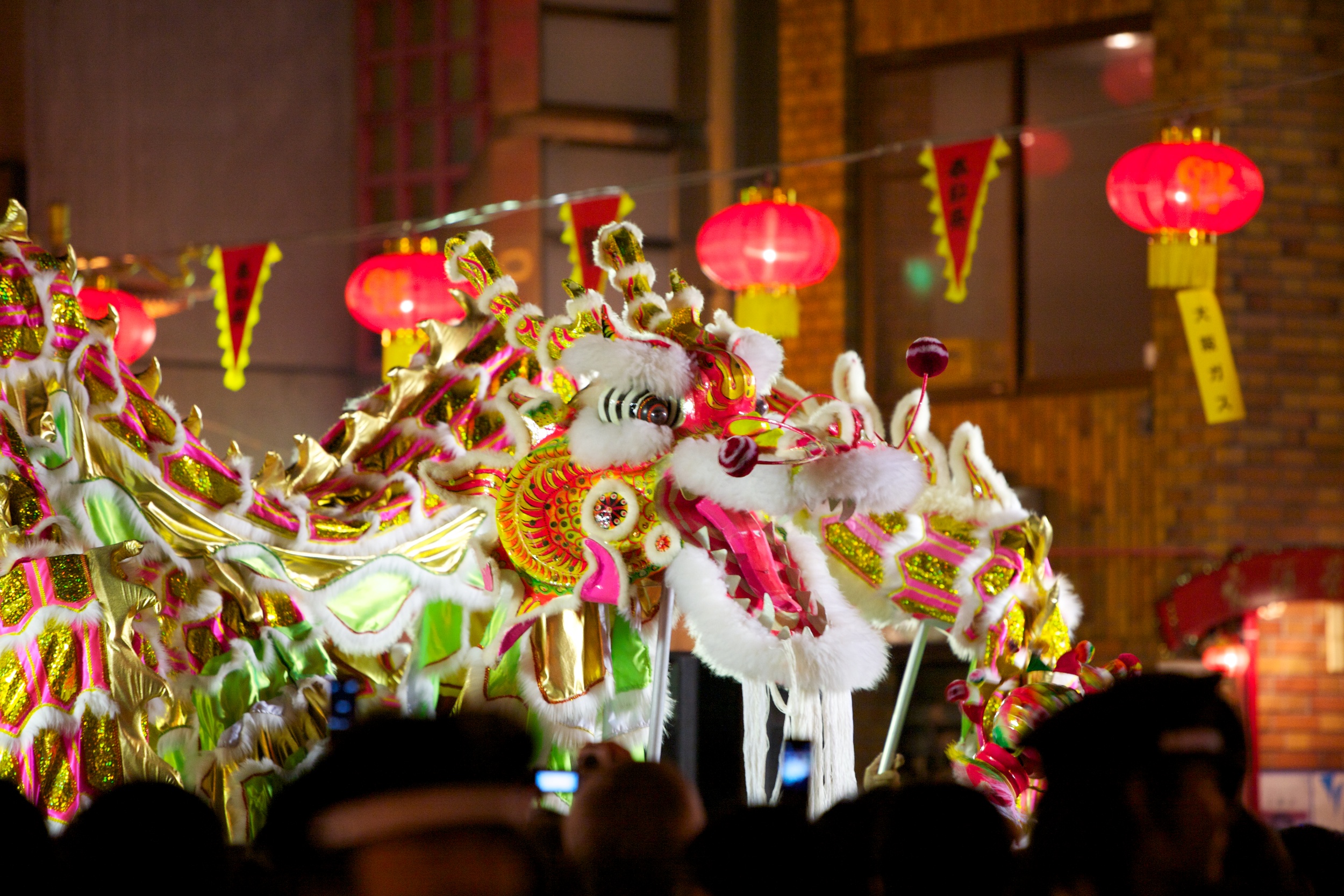
Festivities in Kobe’s Chinatown during the first weekend of February celebrated Shunsetsu, and the start of the year of the Rabbit. Beginning February 3rd with the new moon (to end January 22nd, 2012), Rabbit years are said to be for catching one’s breath after the dynamism of the Tiger. This year’s Rabbit is associated with the element metal, so the fluffy bunny may have a bit of a sharp edge (perhaps dulled a little by the fact that it’s yin metal, not yang this year)! Nankin-machi was thronged with visitors all weekend long, and on display were performances of dance, acrobatics, tai chi, as well as the famous lion and dragon dances.