Archive for Raena Mina

The Classic Obi: How to Tie a Taiko Musubi

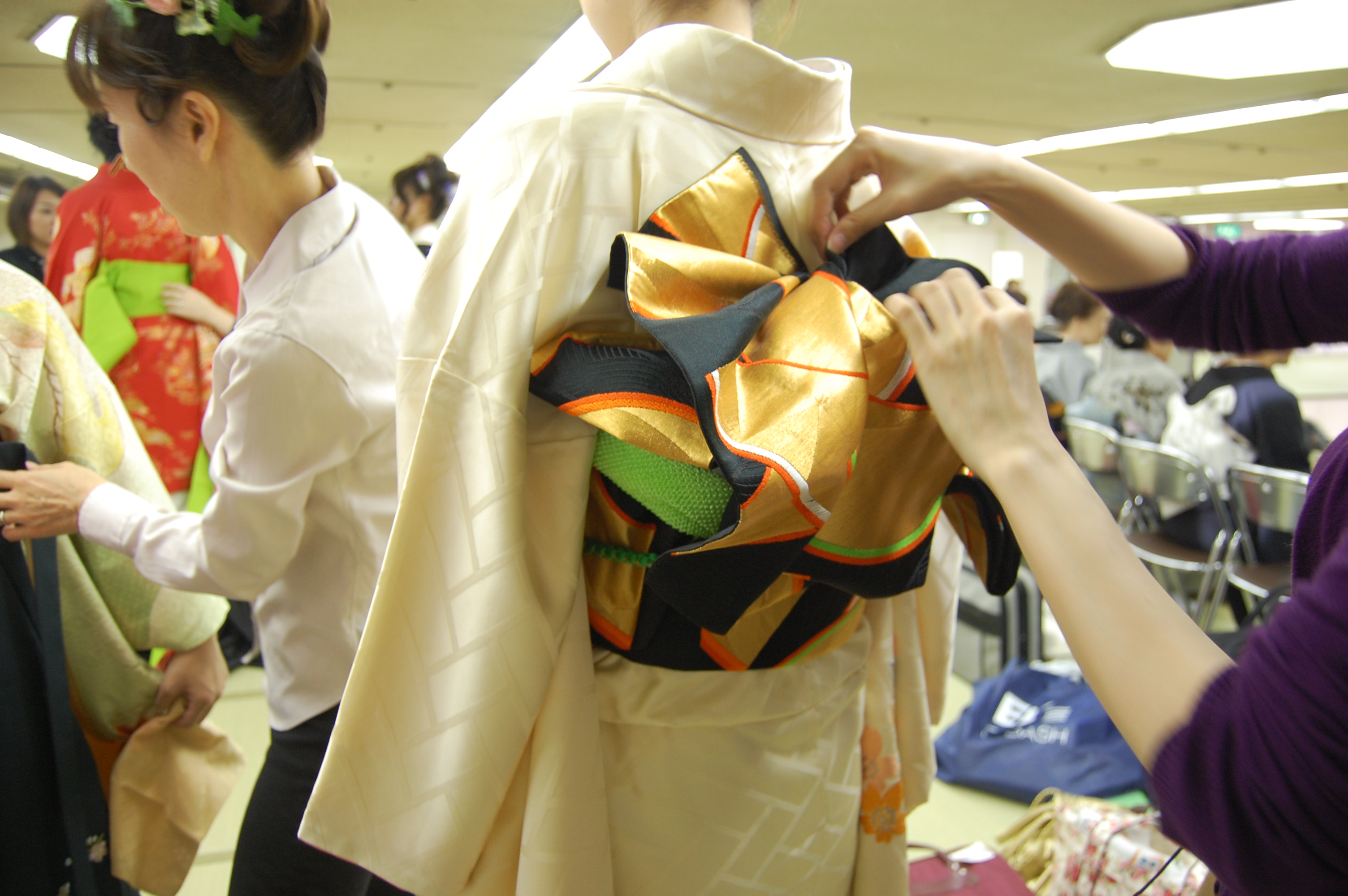
DSC_0721

Every movement in Japanese art has meaning and purpose, and is done with precision and perfection.  In the simplest way I could put it, I love kitsuke because it is essentially folding fabric in beautiful shapes, creating the most flattering lines for the female body that can find a balance between being provocative and demure.  The beauty of kimono is that there are many different types, styles, and fabrics to cater to a specific occasion or season.  This however is

Daruma is My Homeboy

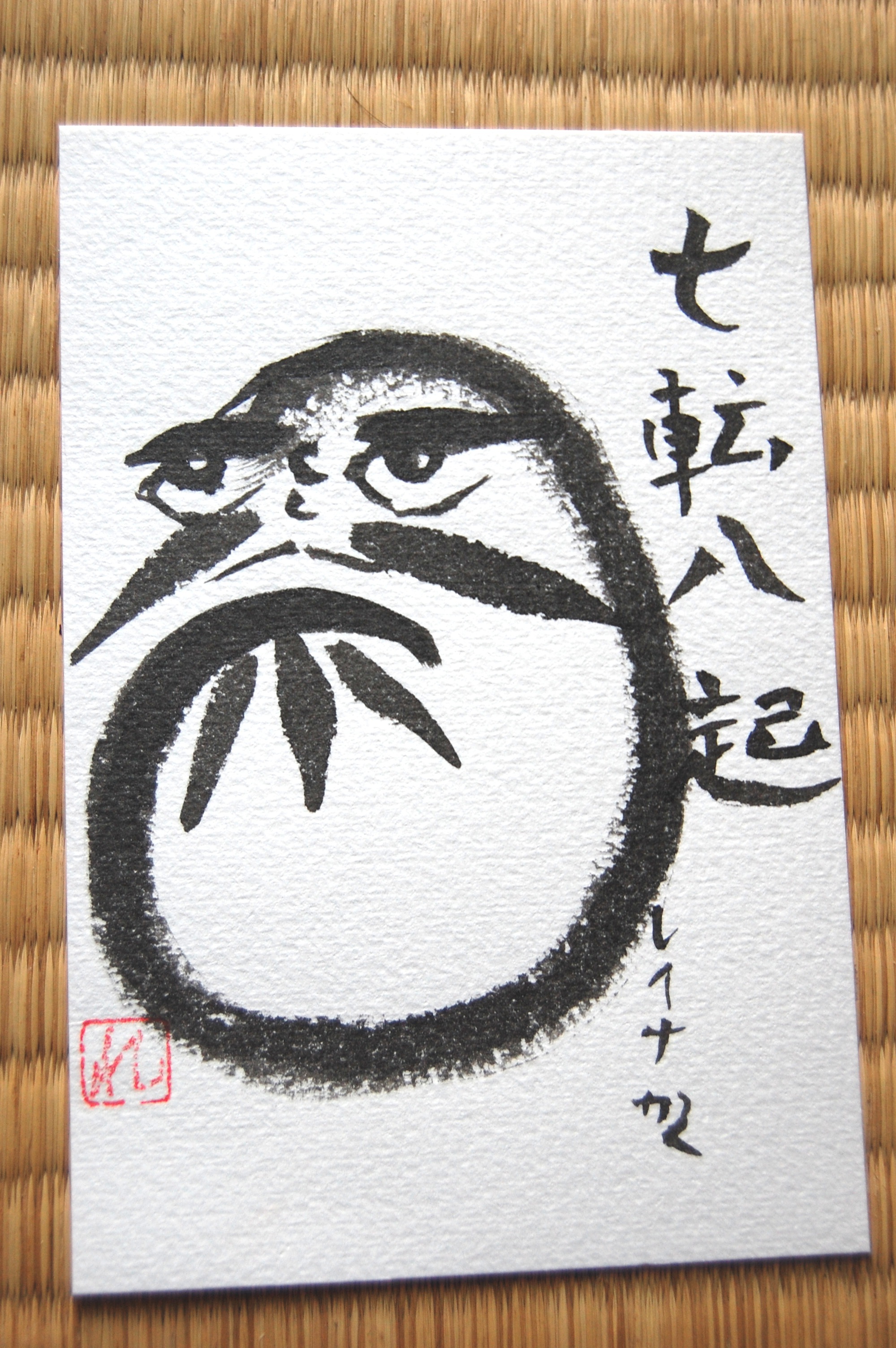
Daruma

“七転び八起き” ななころびやおき” The expression roughly translates to: 7 times fall down, 8th time get back up, and it is a famous saying in Japan associated with the father of Zen Buddhism; called Daruma, the first monk from India to have brought the sect to China and Japan is otherwise known as Dharma. Daruma is my favorite Japanese talisman because he is a symbol of perseverance, motivation, and good luck.  He is commonly depicted in a round shape, perfectly representing the

The Sushi Experience

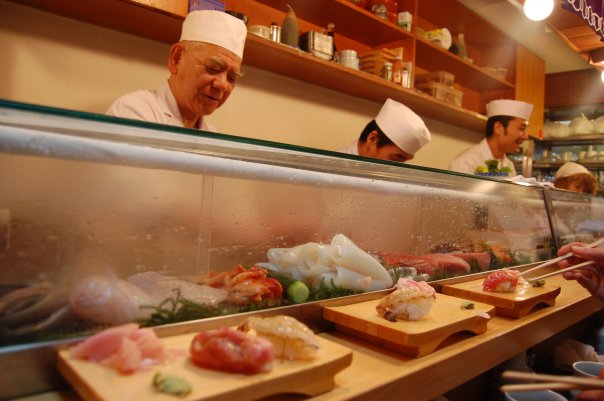
The Sushi Experience

Pushing the noren curtain aside and sliding the wooden doors, you step into a whole new world that you cannot imagine from the indiscernible entrance…

Japanese Food and Philosophy

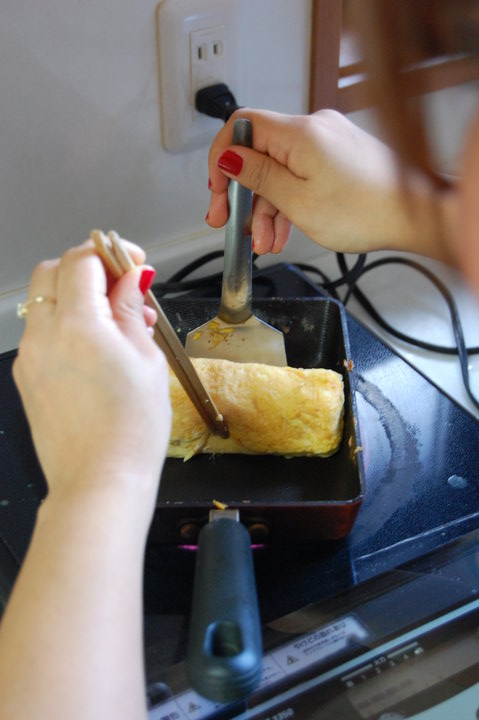
Japanese Food and Philosophy

You cannot write for the Japanese culture and arts section and not address food. I’ve said this countless times, and as many of us who live in Japan know, food is such an important part of Japanese culture, both seasonally and traditionally.

Shodo Basics

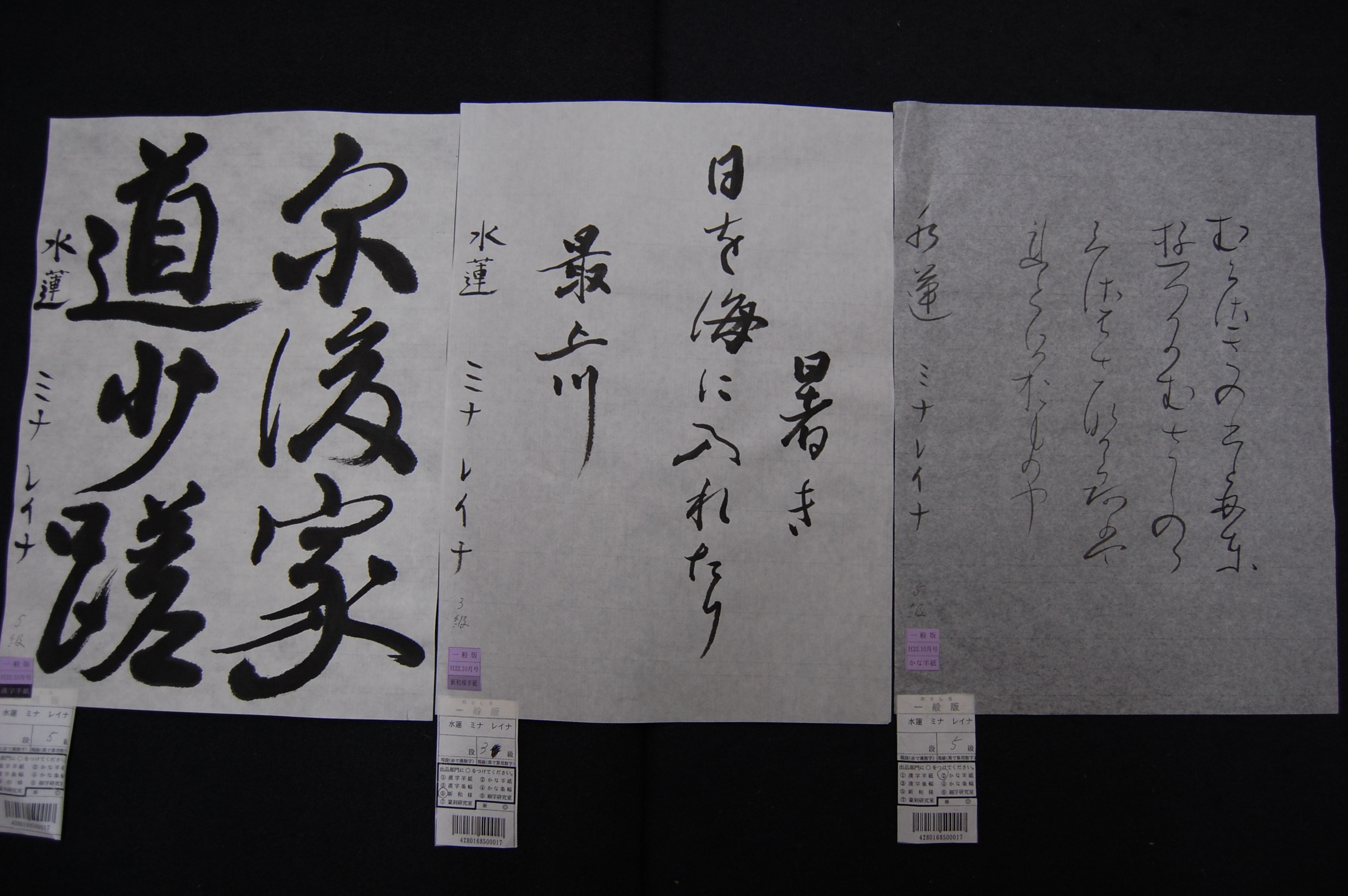
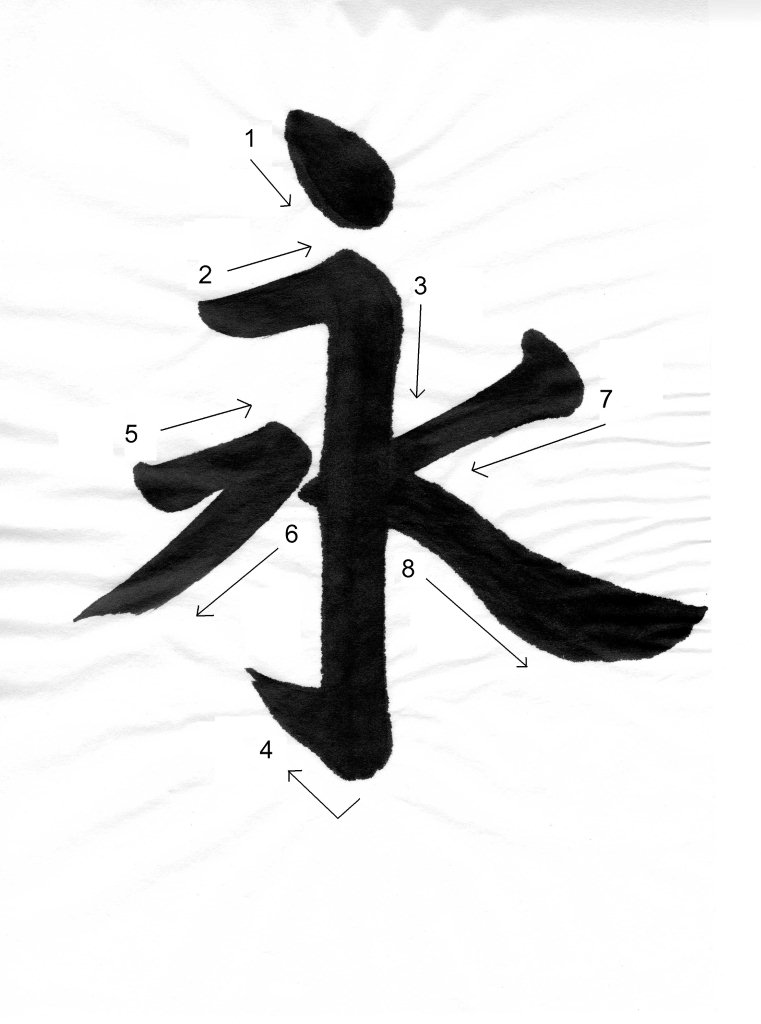
Three Styles of Shodo

In my article last May, entitled My tutelage in Japanese graffiti, aka Shodo, I gave a very brief introduction to Japanese calligraphy, and some points on brush stroke principles and techniques. This time I want to introduce and describe some of the basic styles of shodo, and highlight their differences.

Naturally in Tune with Nature

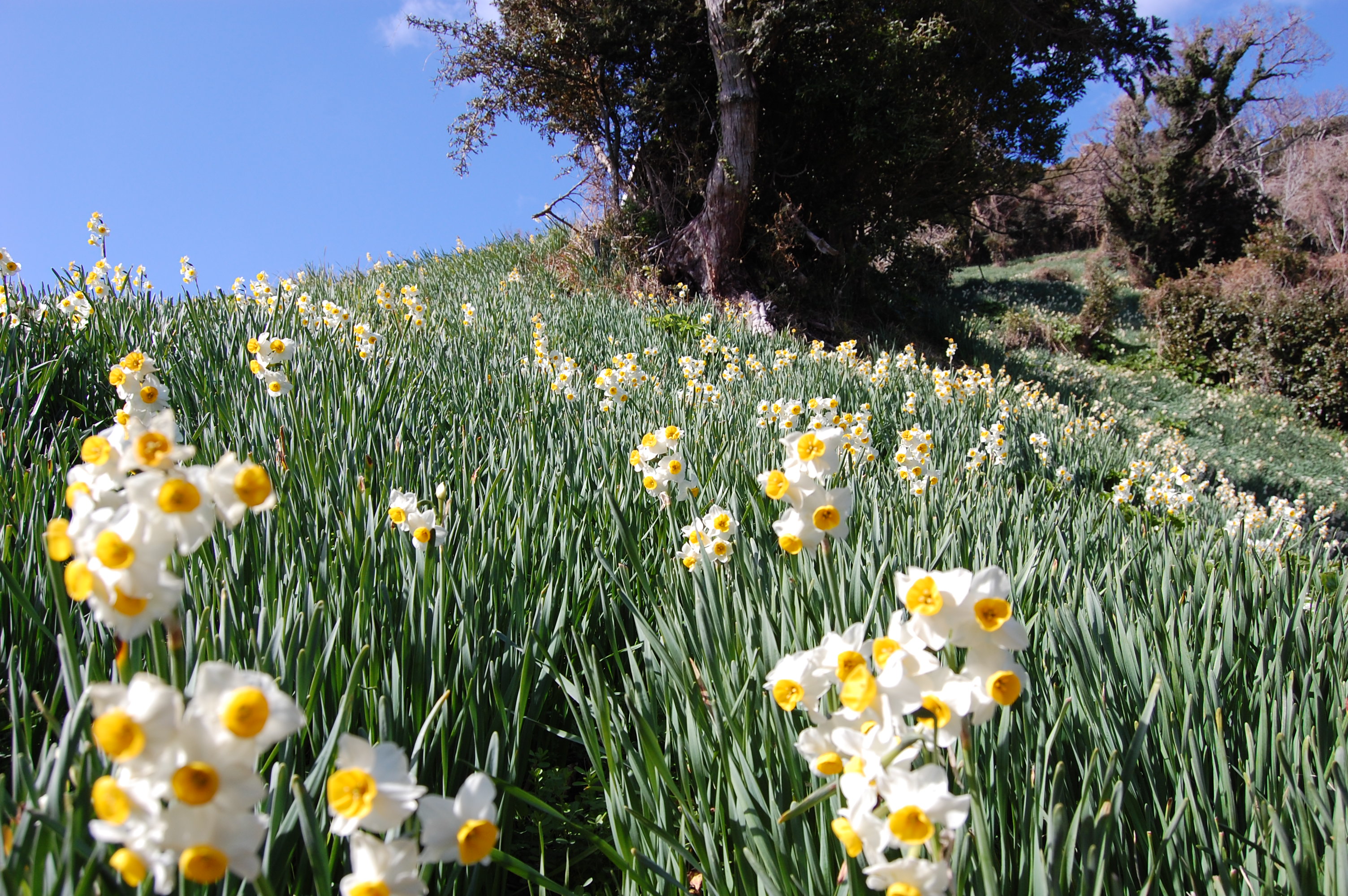
Flowers in a field

With the season changing, you may have noticed certain things on your commute to school or had them pointed out to you by your Japanese friends or coworkers. What I’m talking about is Nature – which is pretty hard to miss when you live in a country whose culture respects and celebrates nature with all four seasons. Some of you HS ALTs had the pleasure (or pain) of reading a selected few student essays on “Japanese Strong Points.”

Kimono and Yukata on a Dime

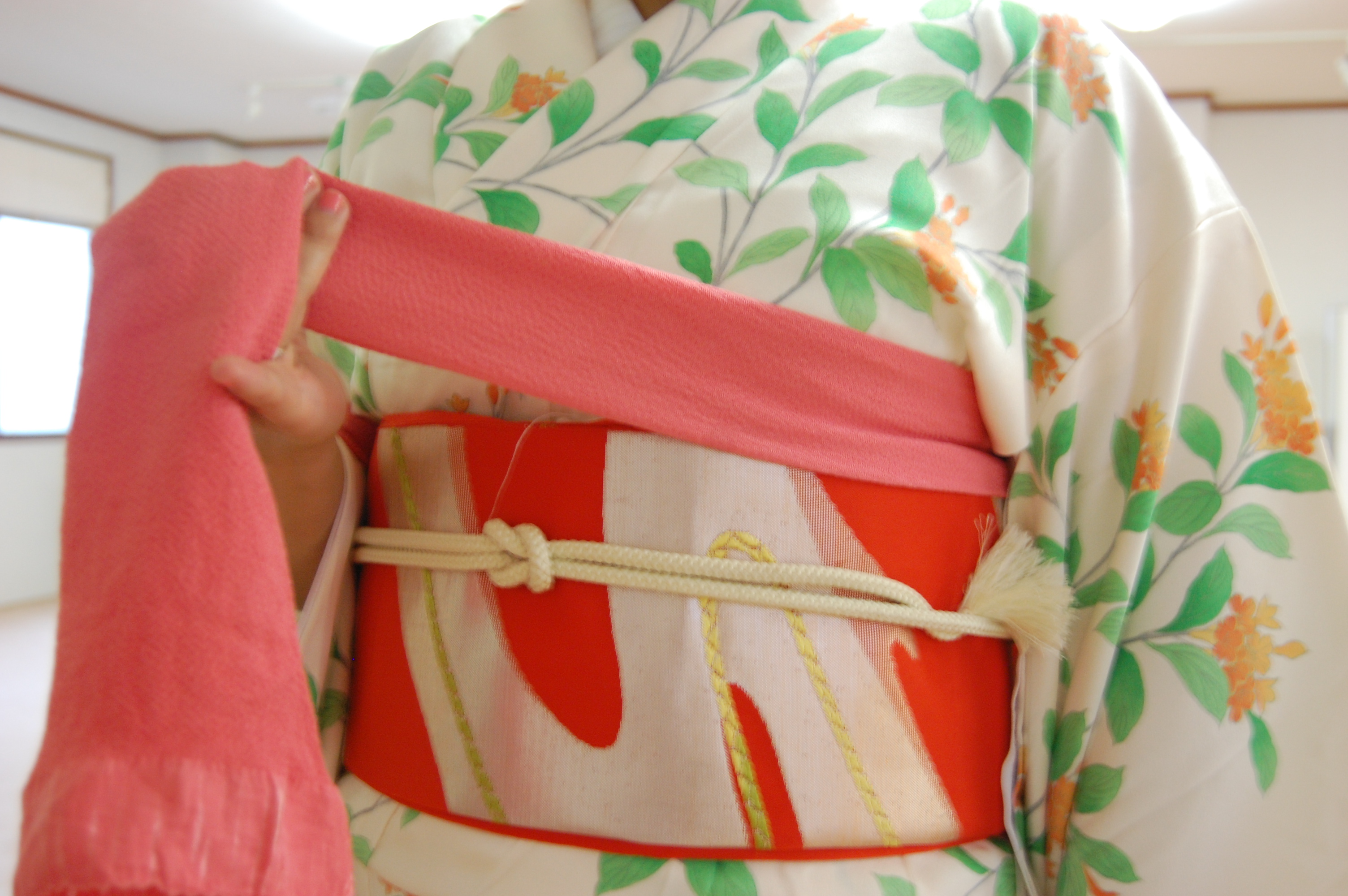
culture 3 raena july 10

If you read my basic 101 article, you can see how Kimono is quite an expensive tradition. If you are a gaijin girl who is not as lucky as the many J-girls in this generation who inherit a closet-full amount of kimono from their mothers, are not bloody rich, or do not have a fairy-obaa-chan, I’ll give you a quick run down on how to get real quality, traditional kimonos, at decent prices.