J-Word Play: January/February ’11
é¡ã®ä¸ã«ã„る虫ã¯ä½•ã§ã—ょã†?
(ã‹ãŒã¿ã®ãªã‹ã«ã„ã‚‹ã‚€ã—ã¯ãªã‚“ã§ã—ょã†?)
(SELECT THE AREA BELOW TO SEE THE ANSWER)
(SELECT THE AREA BELOW TO SEE THE ANSWER)
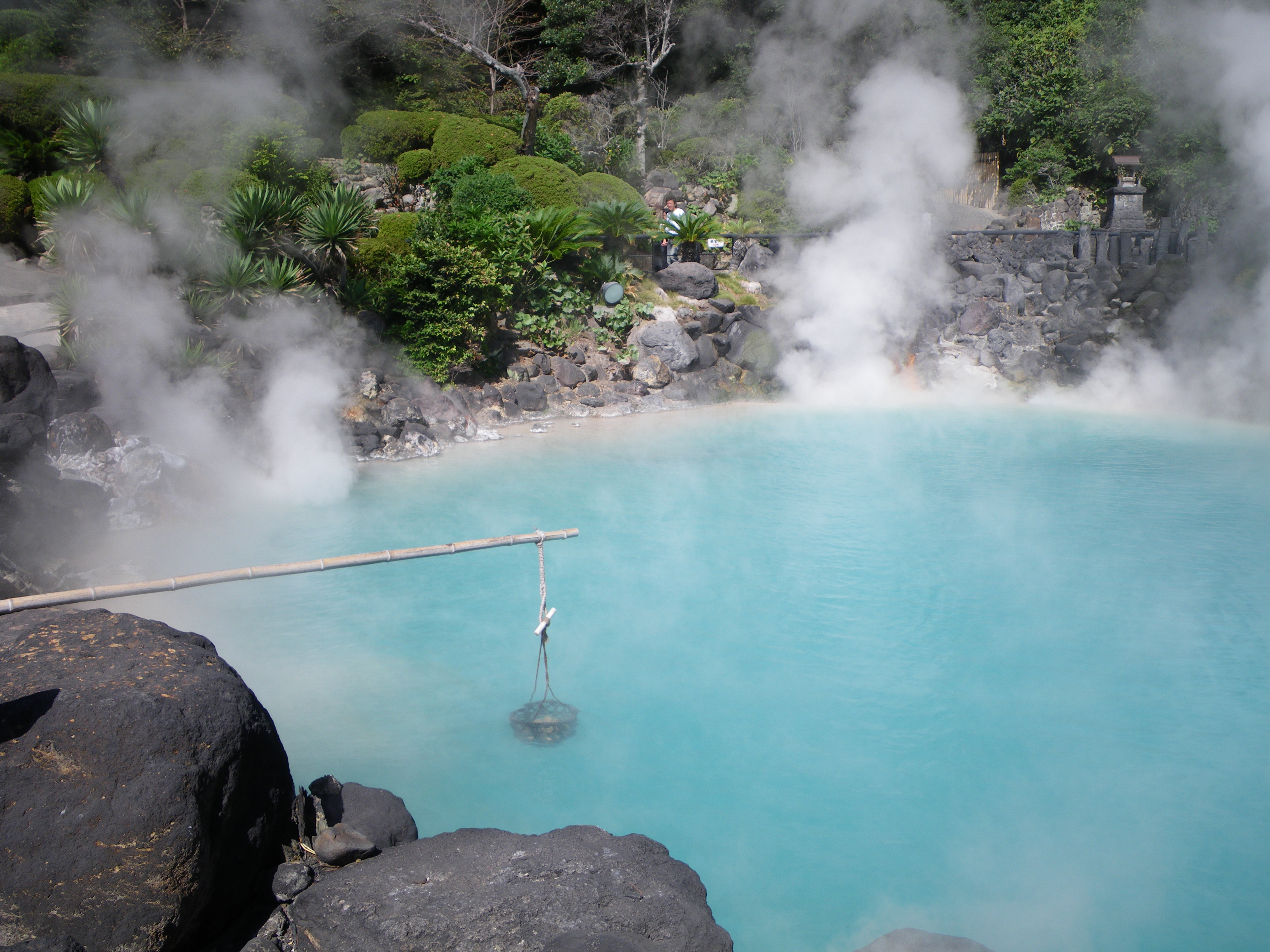
Beppu is located on the coast of Beppu Bay. This is the place for onsens – natural water and steam comes out of the ground all over the city, and the water is full of natural minerals.

ã“ã“より下ã«ã„る生ã物ã£ã¦ãªã‚“ã§ã—ょã†ï¼Ÿ
(ã“ã“よりã—ãŸã«ã„ã‚‹ã„ãã‚‚ã®ã£ã¦ãªã‚“ã§ã—ょã†ï¼Ÿï¼‰
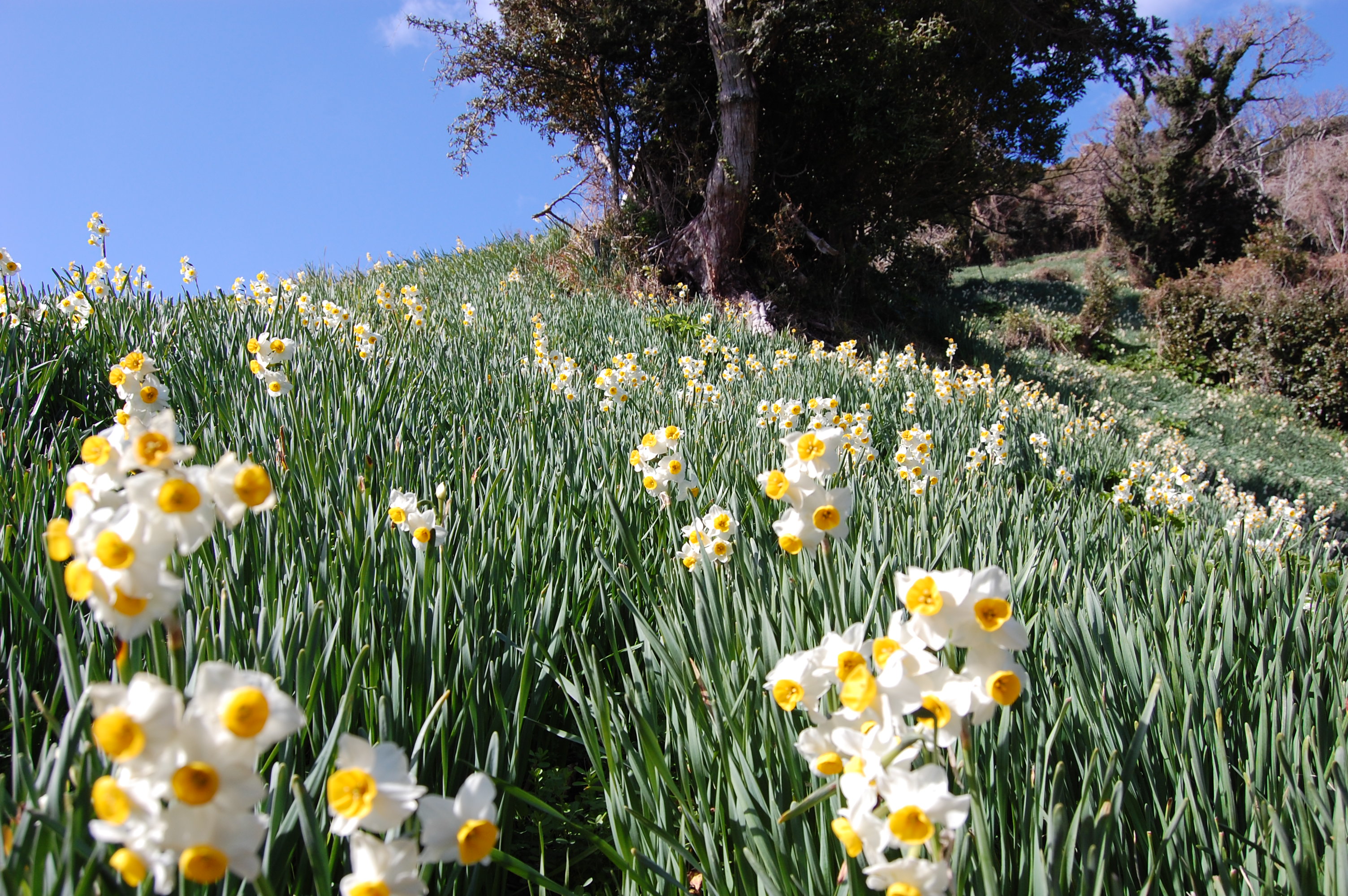
With the season changing, you may have noticed certain things on your commute to school or had them pointed out to you by your Japanese friends or coworkers. What I’m talking about is Nature – which is pretty hard to miss when you live in a country whose culture respects and celebrates nature with all four seasons. Some of you HS ALTs had the pleasure (or pain) of reading a selected few student essays on “Japanese Strong Points.â€
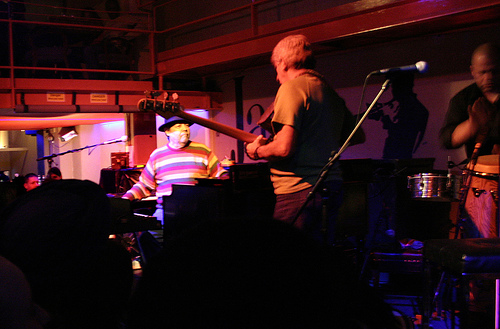
It has come to my attention, after a year or so of hanging around Kobe’s jazz clubs on the weekend, that I hardly ever see other foreigners who aren’t performing. This is a disappointment. I’ve mentioned my jazz excursions to other ALTs, and they’ve complained that there’s a dearth of information on Kobe’s jazz clubs in English, which is true. With that in mind, I’m starting a new series of articles here at HT, spotlighting jazz clubs and events. I’ll also answer any questions you may have about visiting Kobe to see a live show.
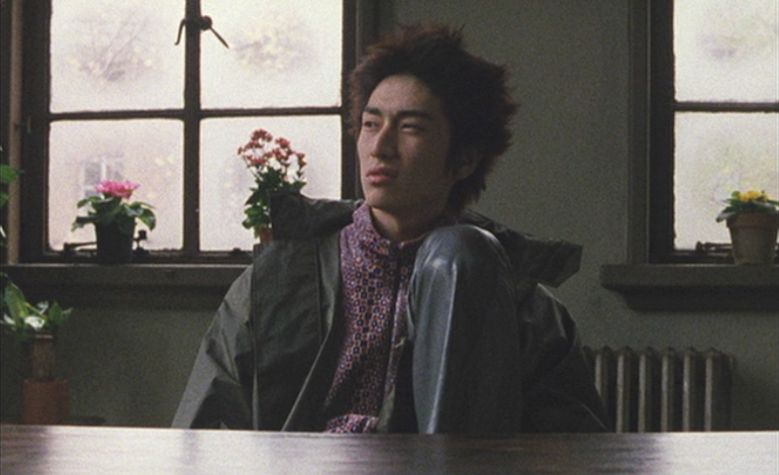
If you consider yourself a cinema enthusiast, you need to see the Hirokazu Koreeda (pronounced Kore-eda) film After Life (ワンダフルライフ). After Life is more than just a good movie; it presents a vision of life after death that can give anyone hope. Film lovers especially, however, will find themselves nodding in ferocious agreement when one of the deceased remarks, “…that really is heaven.â€
æ–°ã—ã„車ã¯æ–°åž‹ã€‚ã§ã¯ã€å¤ã„車何ãŒãŸ?
A new car is new model. So what model is an old car?