J-Word Play: March ’11
1000æžšã®è‘‰ã£ã±ãŒã‚ã‚‹å ´æ‰€ã¯ã©ã“ã§ã—ょã†?
(1000ã¾ã„ã®ã¯ã£ã±ãŒã‚ã‚‹ã°ã—ょã¯ã©ã“ã§ã—ょã†?)
(SELECT THE AREA BELOW TO SEE THE ANSWER)
(SELECT THE AREA BELOW TO SEE THE ANSWER)

ã“ã“より下ã«ã„る生ã物ã£ã¦ãªã‚“ã§ã—ょã†ï¼Ÿ
(ã“ã“よりã—ãŸã«ã„ã‚‹ã„ãã‚‚ã®ã£ã¦ãªã‚“ã§ã—ょã†ï¼Ÿï¼‰
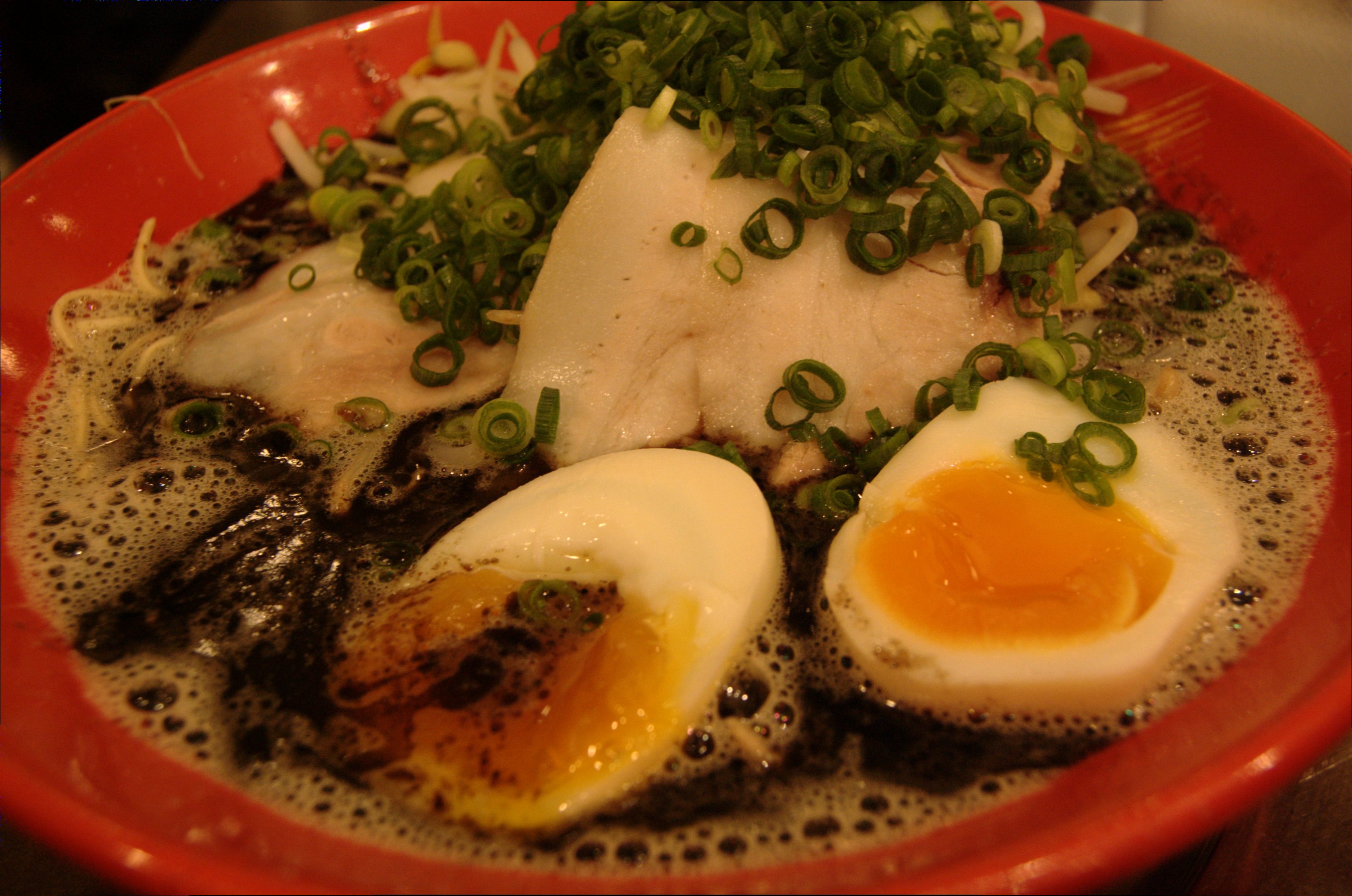
My brother came out over Christmas break, which mainly achieved two things:
It completely destroyed any hope I had of migrating to warmer climates for the 2 weeks. It gave me an excuse to do a lot of ramen-related traveling in the Kansai region.
ナイスãªã‚¹ã‚¤ã‚«ã¯ã€ä½•ã«ãªã‚‹ã§ã—ょã†ï¼Ÿ
(ナイスãªã‚¹ã‚¤ã‚«ã¯ã€ãªã«ã«ãªã‚‹ã§ã—ょã†ï¼Ÿ)
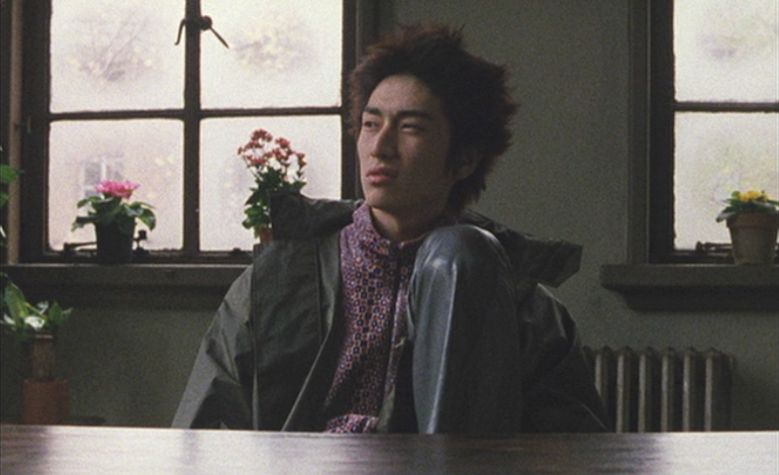
If you consider yourself a cinema enthusiast, you need to see the Hirokazu Koreeda (pronounced Kore-eda) film After Life (ワンダフルライフ). After Life is more than just a good movie; it presents a vision of life after death that can give anyone hope. Film lovers especially, however, will find themselves nodding in ferocious agreement when one of the deceased remarks, “…that really is heaven.â€
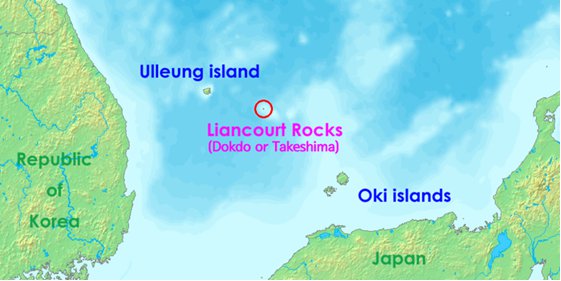
There is an old proverb that “fences make good neighbors.†A fence plus a large body of water in between would seem to make even better neighbors, but in Japan’s experience this has not been the case. An archipelago nation consisting of literally thousands of islands, Japan is embroiled in three island ownership disputes with its neighbors: Korea, China/Taiwan, and Russia. The contested islands may be small in size – and in some cases devoid of human life – but control over the islands brings political and economic payoffs that are huge.
ã‚‚ã®ã™ã”ã„スピードã§èµ°ã‚‹ãƒã‚¹ã¯ä½•ã§ã™ã‹ï¼Ÿ (もã®ã™ã”ã„スピードã§ã¯ã—ã‚‹ãƒã‚¹ã¯ãªã‚“ã§ã™ã‹ï¼Ÿï¼‰