J-Word Play: January/February ’11
é¡ã®ä¸ã«ã„る虫ã¯ä½•ã§ã—ょã†?
(ã‹ãŒã¿ã®ãªã‹ã«ã„ã‚‹ã‚€ã—ã¯ãªã‚“ã§ã—ょã†?)
(SELECT THE AREA BELOW TO SEE THE ANSWER)
(SELECT THE AREA BELOW TO SEE THE ANSWER)

ã¿ã‚“ãªå¥½ããªè‚‰æ–™ç†ã£ã¦ãªã‚“ã§ã—ょã†ã‹ï¼Ÿ
(ã¿ã‚“ãªã™ããªã«ãりょã†ã‚Šã£ã¦ãªã‚“ã§ã—ょã†ã‹ï¼Ÿ)

About 65 years ago, a soldier coming home from the war returned to a Japan very different from the place he’d left in 1931. He had been in China during its occupation and had seen the Soviet invasion of Manchuria before making it home. He had witnessed the very worst of human nature.

å¤ã®æ™´ã‚ŒãŸæ—¥ã«ä½¿ã†ãƒŠãƒ“ã£ã¦ã©ã‚“ãªãƒŠãƒ“?
ã„ã¤ã‚‚何ã‹ã«ãƒãƒ£ãƒ¬ãƒ³ã‚¸ã—ã¦ã‚‹å›½ã¯ã©ã“?
(ã„ã¤ã‚‚ãªã«ã‹ã«ãƒãƒ£ãƒ¬ãƒ³ã‚¸ã—ã¦ã‚‹ãã«ã¯ã©ã“?)
楽器ãŒå¾—æ„ãªãƒˆãƒ©ã£ã¦ãªã‚“ã§ã—ょã†ã‹ï¼Ÿ
(ãŒã£ããŒã¨ãã„ãªãƒˆãƒ©ã£ã¦ãªã‚“ã§ã—ょã†ã‹ï¼Ÿ)
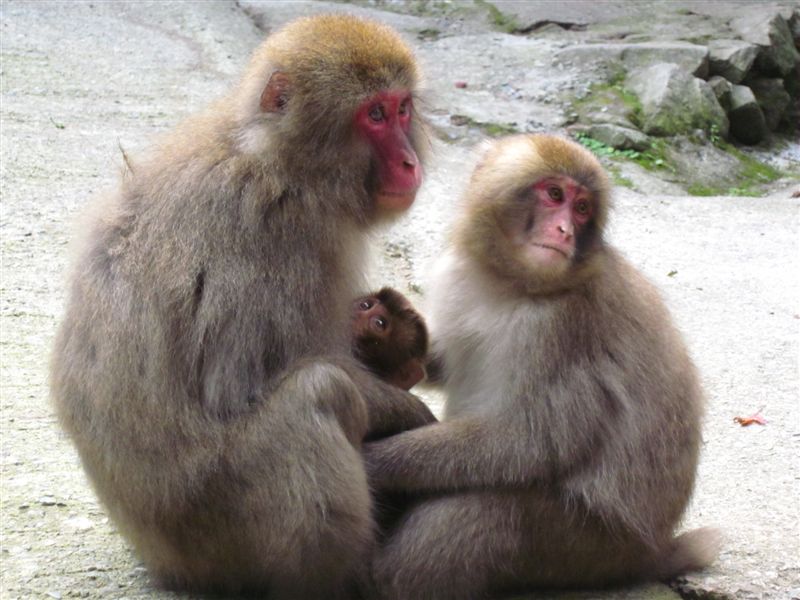
Where in Hyogo can these precocious primates be found?