J-Word Play: September ’11
髪ãŒã„ã£ã±ã„ã‚る生ã物ã¯ä½•ã§ã—ょã†?
(ã‹ã¿ãŒã„ã£ã±ã„ã‚ã‚‹ã„ãã‚‚ã®ã¯ãªã‚“ã§ã—ょã†?)
(SELECT THE AREA BELOW TO SEE THE ANSWER)

(SELECT THE AREA BELOW TO SEE THE ANSWER)
The riddle asks, “What creature has a lot of hair?” Ok, so we’re thinking about hair words here. What we were looking for was 狼 (ãŠãŠã‹ã¿), wolf. This is because ãŠãŠ can be the reading for 多 (a lot) and 髪 (ã‹ã¿) means hair. So “a lot of hair.”
When is Meat Day in Japan?
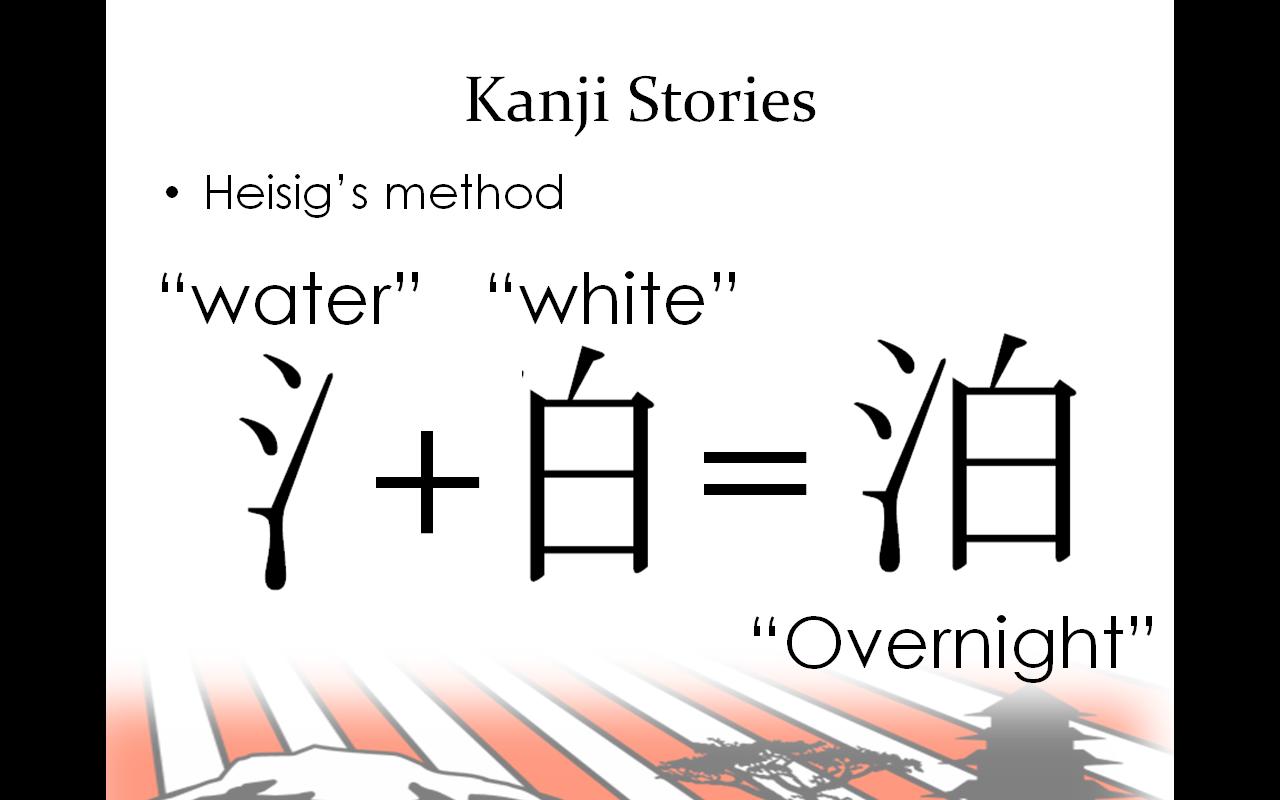
Well, alright, I won’t tell you how you should study Japanese; I don’t think anyone should study the way that I study, with my own personal cycle of eXtreme diligence + deathlike burnout. I like to make use of a variety of different types of learning, and even with the pain it causes, I do…
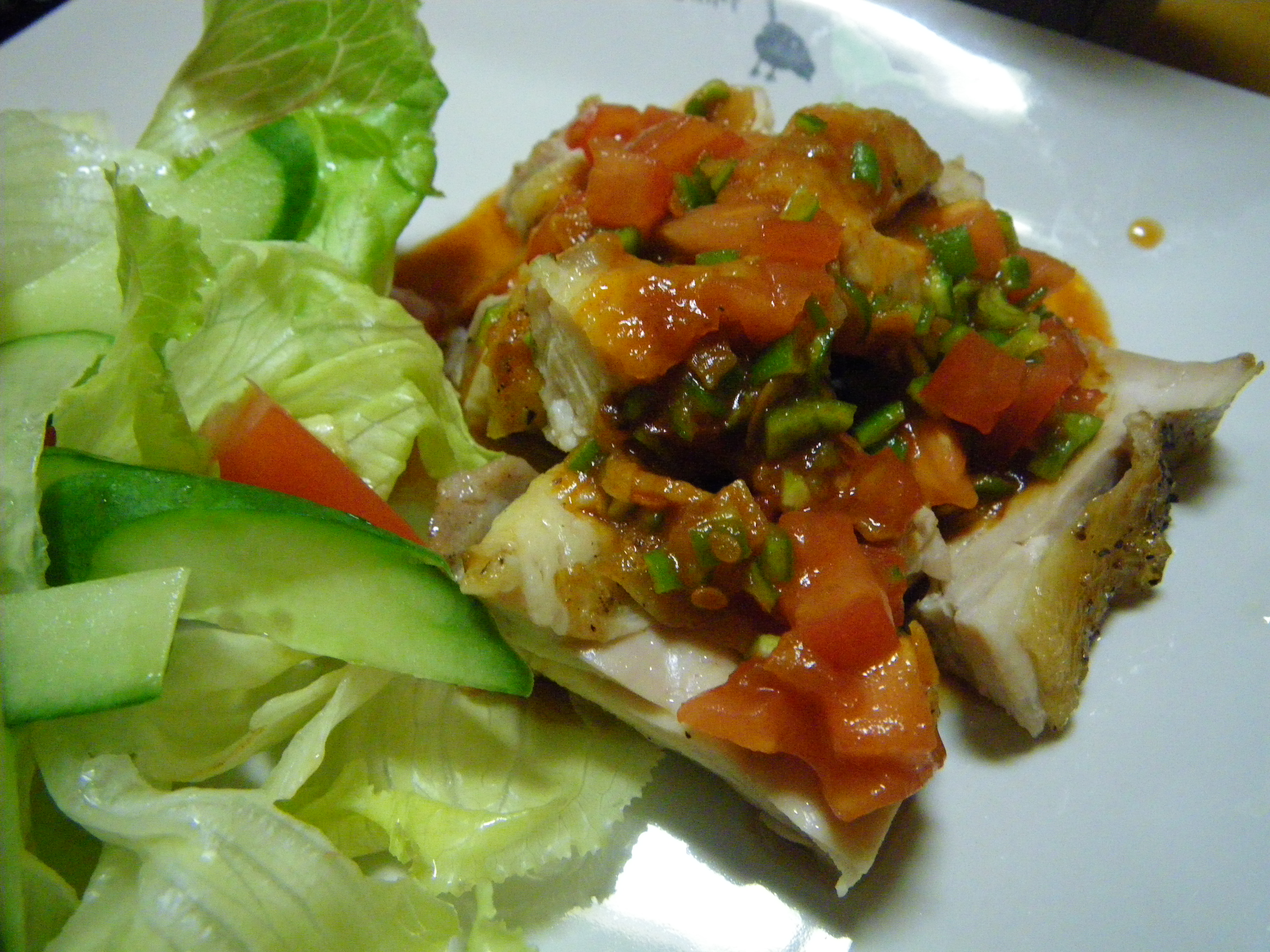
Taberu-rayu sauce has become quite popular, and you can find it in most supermarkets. Normal rayu is chilli-infused sesame oil, which you will find at most Chinese restaurants or where gyoza are sold. The new taberu-rayu, or edible chilli oil, has a similar oil base (but not as spicy) with herbs and spices added to it. Add some taberu-rayu to chopped vegetables to make a delicious, fresh sauce.

This is an article published out of Nara by a JET trying to beat the very same heat that lies over all of Kansai. He’s given us permission to reprint his article in the hopes that his tips can help you too! For some of you, the coming of winter brings gloomy thoughts and a…
ç—…æ°—ã«ãªã£ãŸã‚‰è¡Œã‹ãªã„医者ã£ã¦ä½•ã§ã—ょã†ï¼Ÿ
(ã³ã‚‡ã†ãã«ãªã£ãŸã‚‰è¡Œã‹ãªã„ã„ã—ゃã£ã¦ãªã‚“ã§ã—ょã†ï¼Ÿ)
ã‚‚ã®ã™ã”ã„スピードã§èµ°ã‚‹ãƒã‚¹ã¯ä½•ã§ã™ã‹ï¼Ÿ (もã®ã™ã”ã„スピードã§ã¯ã—ã‚‹ãƒã‚¹ã¯ãªã‚“ã§ã™ã‹ï¼Ÿï¼‰