J-Word Play: March ’11
1000æžšã®è‘‰ã£ã±ãŒã‚ã‚‹å ´æ‰€ã¯ã©ã“ã§ã—ょã†?
(1000ã¾ã„ã®ã¯ã£ã±ãŒã‚ã‚‹ã°ã—ょã¯ã©ã“ã§ã—ょã†?)
(SELECT THE AREA BELOW TO SEE THE ANSWER)
(SELECT THE AREA BELOW TO SEE THE ANSWER)

å¤ã®æ™´ã‚ŒãŸæ—¥ã«ä½¿ã†ãƒŠãƒ“ã£ã¦ã©ã‚“ãªãƒŠãƒ“?
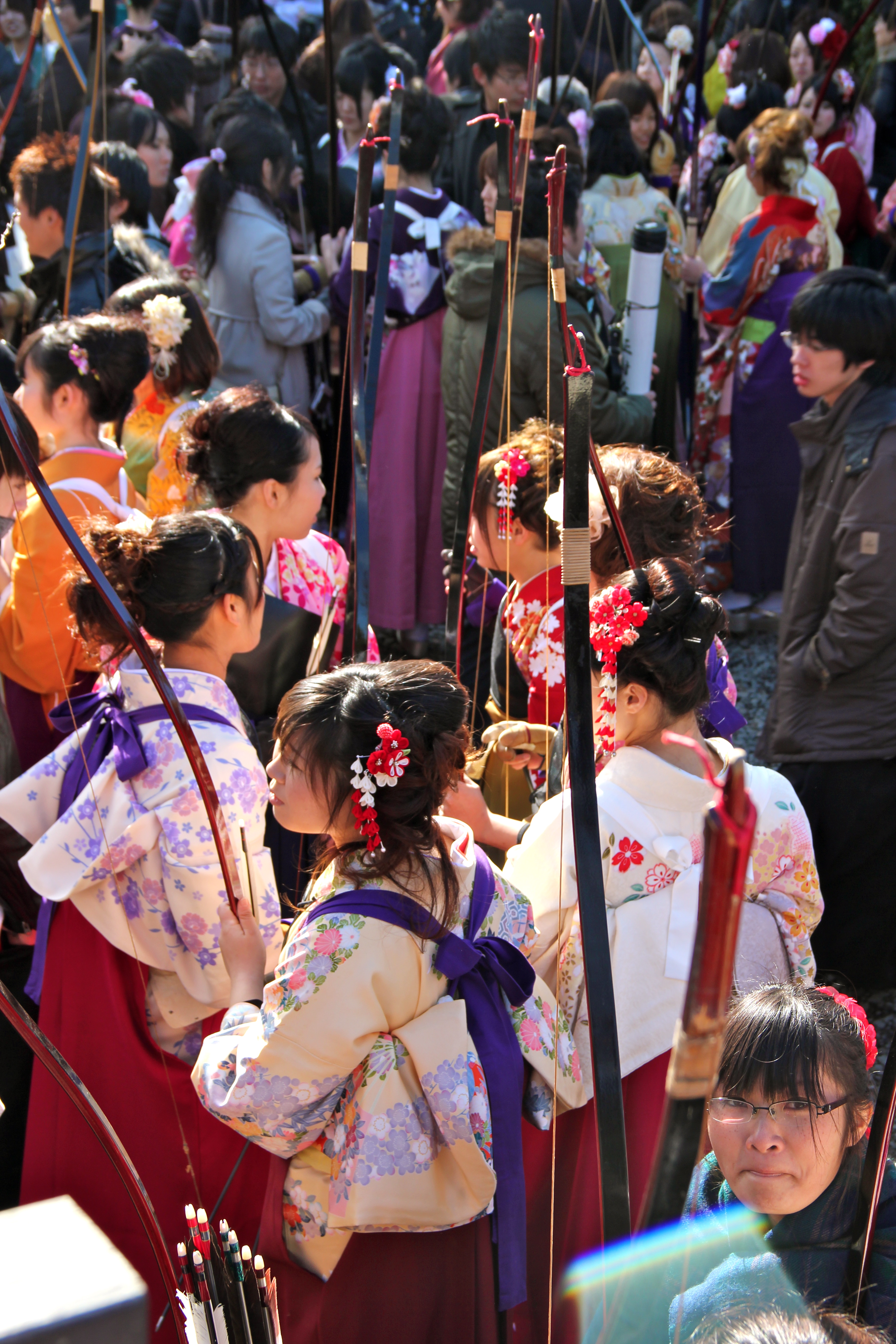
The Japanese deem the twentieth year of an individual’s life as the one which signifies the official “coming of age.” In all aspects of Japanese society, the twentieth year marks the age where teenagers are thrust into the world of adulthood, whereby they become morally, and often, economically responsible for their future. Every January, scores of teenagers experience a sudden revolution in their physical and social being, one which is marked by joyous celebrations – and in this case, long, beautifully carved wooden bows and exquisitely designed kimonos.
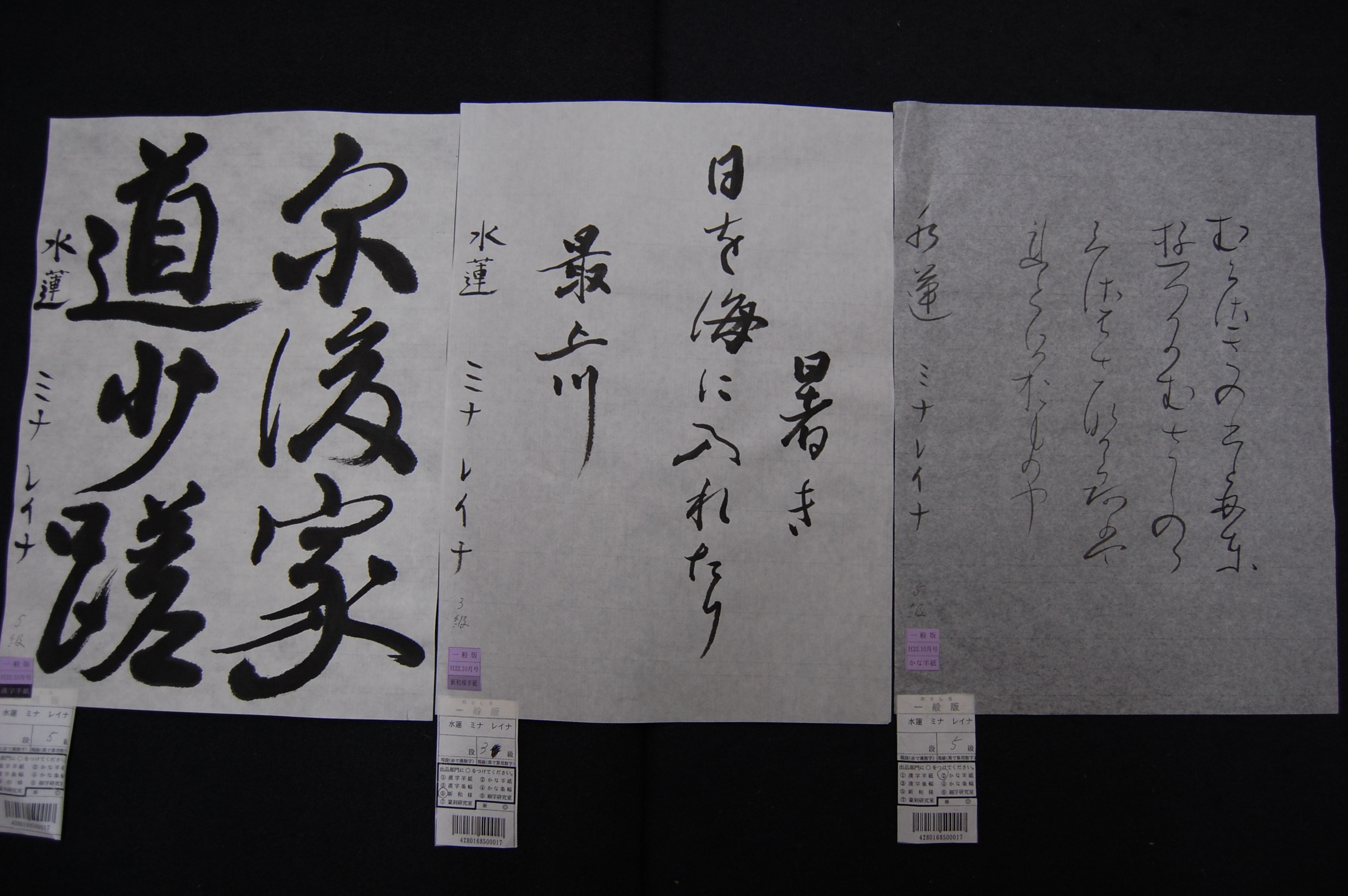
In my article last May, entitled My tutelage in Japanese graffiti, aka Shodo, I gave a very brief introduction to Japanese calligraphy, and some points on brush stroke principles and techniques. This time I want to introduce and describe some of the basic styles of shodo, and highlight their differences.
食ã¹ã‚‹ã¨å®‰å¿ƒã™ã‚‹ã‚±ãƒ¼ã‚ã£ã¦ãªã‚“ã§ã—ょã†ï¼Ÿ (ãŸã¹ã‚‹ã¨ã‚ã‚“ã—ã‚“ã™ã‚‹ã‚±ãƒ¼ã‚ã£ã¦ãªã‚“ã§ã—ょã†ï¼Ÿ)

ã“ã“より下ã«ã„る生ã物ã£ã¦ãªã‚“ã§ã—ょã†ï¼Ÿ
(ã“ã“よりã—ãŸã«ã„ã‚‹ã„ãã‚‚ã®ã£ã¦ãªã‚“ã§ã—ょã†ï¼Ÿï¼‰
When is Meat Day in Japan?