J-Word Play: March ’11
1000æžšã®è‘‰ã£ã±ãŒã‚ã‚‹å ´æ‰€ã¯ã©ã“ã§ã—ょã†?
(1000ã¾ã„ã®ã¯ã£ã±ãŒã‚ã‚‹ã°ã—ょã¯ã©ã“ã§ã—ょã†?)
(SELECT THE AREA BELOW TO SEE THE ANSWER)
(SELECT THE AREA BELOW TO SEE THE ANSWER)

Hey Hyogo JETs, hope your winter vacations have been great! Now, I know all the ski trips, Valentine’s chocolate, naked men melées and graduation ceremonies are wrapping up, but don’t resign yourself to Facebook and Cracked.com just yet. Not that I’m knocking either of them – heck, they’re bookmarked on both of my school computers. I’ll never look at Grimace the same way again…sniffle…
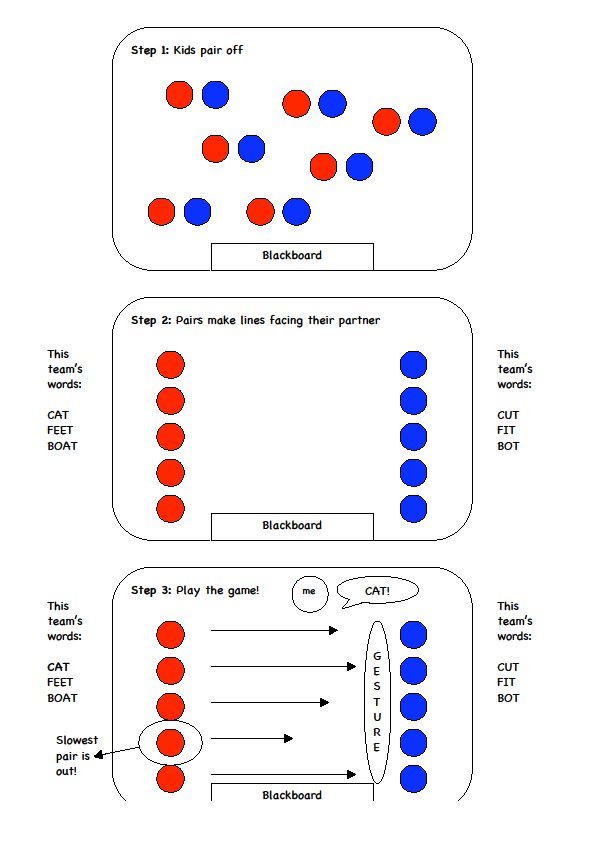
This is a great game for upper elementary school students (and possibly younger JHS students, depending on the size and personality of the class), and requires very little prep. The goal is to get the kids to hear subtle sound differences that don’t exist in Japanese…
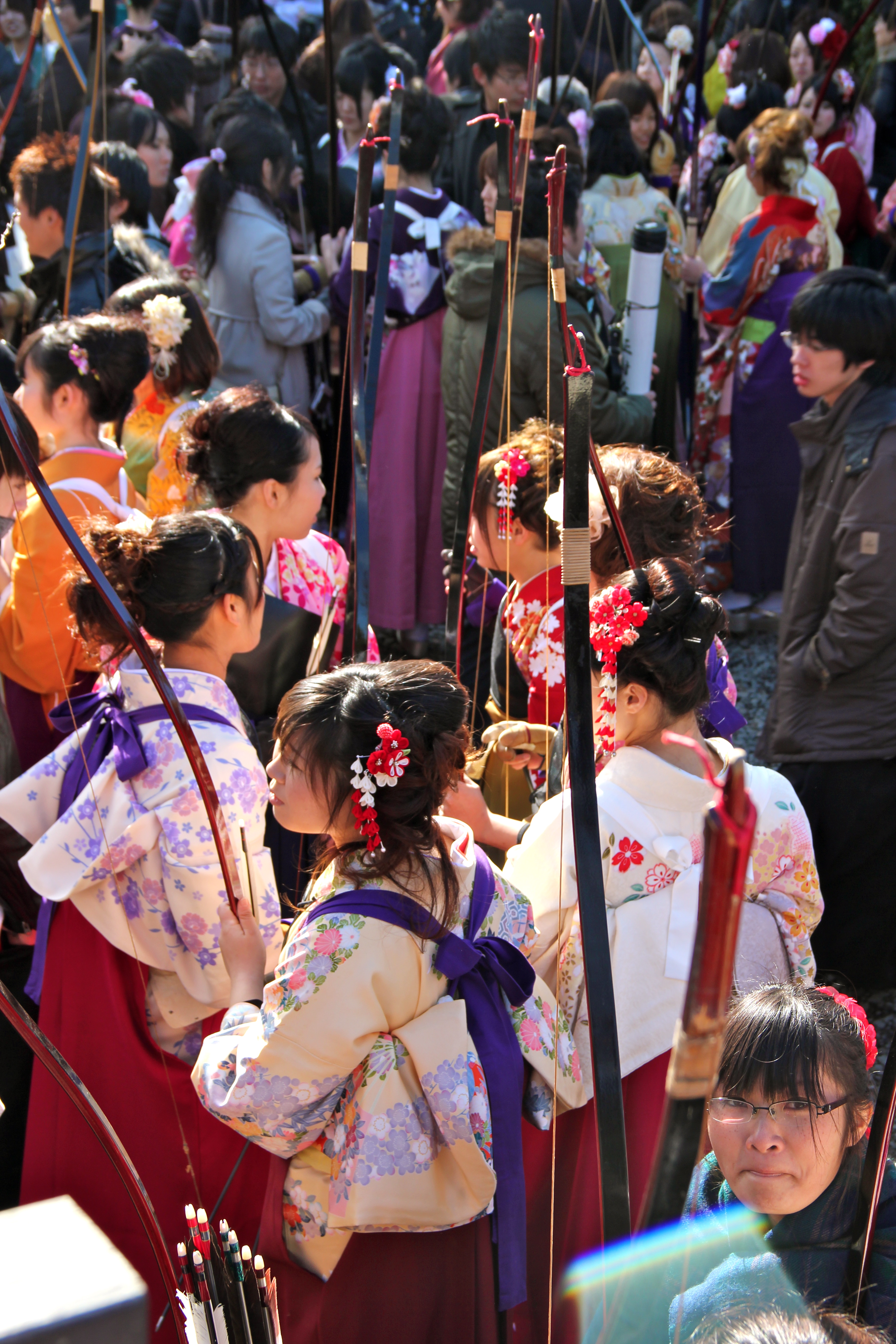
The Japanese deem the twentieth year of an individual’s life as the one which signifies the official “coming of age.” In all aspects of Japanese society, the twentieth year marks the age where teenagers are thrust into the world of adulthood, whereby they become morally, and often, economically responsible for their future. Every January, scores of teenagers experience a sudden revolution in their physical and social being, one which is marked by joyous celebrations – and in this case, long, beautifully carved wooden bows and exquisitely designed kimonos.

ã¿ã‚“ãªå¥½ããªè‚‰æ–™ç†ã£ã¦ãªã‚“ã§ã—ょã†ã‹ï¼Ÿ
(ã¿ã‚“ãªã™ããªã«ãりょã†ã‚Šã£ã¦ãªã‚“ã§ã—ょã†ã‹ï¼Ÿ)
ç—…æ°—ã«ãªã£ãŸã‚‰è¡Œã‹ãªã„医者ã£ã¦ä½•ã§ã—ょã†ï¼Ÿ
(ã³ã‚‡ã†ãã«ãªã£ãŸã‚‰è¡Œã‹ãªã„ã„ã—ゃã£ã¦ãªã‚“ã§ã—ょã†ï¼Ÿ)

Yes. That is the first thought that comes to mind when I think of The Brief Wondrous Life of Oscar Wao. The second thought? F**K yes.