J-Word Play: March ’11
1000æžšã®è‘‰ã£ã±ãŒã‚ã‚‹å ´æ‰€ã¯ã©ã“ã§ã—ょã†?
(1000ã¾ã„ã®ã¯ã£ã±ãŒã‚ã‚‹ã°ã—ょã¯ã©ã“ã§ã—ょã†?)
(SELECT THE AREA BELOW TO SEE THE ANSWER)
(SELECT THE AREA BELOW TO SEE THE ANSWER)
ãŸã¬ãã®å®ç®±ã«ã¯ã€ä½•ãŒå…¥ã£ã¦ã„ã‚‹?
(ãŸã¬ãã®ãŸã‹ã‚‰ã°ã“ã«ã¯ã€ãªã«ãŒã¯ã„ã£ã¦ã„ã‚‹?)

As an ALT or CIR living in Japan, you should study Japanese. I know, crazy, right? Sounds like a reasonable assertion for some of us. The first time I wrote this article on my blog, I received some pretty strong reactions from the other side, so let me be clear about something first: though I…

ã“ã“より下ã«ã„る生ã物ã£ã¦ãªã‚“ã§ã—ょã†ï¼Ÿ
(ã“ã“よりã—ãŸã«ã„ã‚‹ã„ãã‚‚ã®ã£ã¦ãªã‚“ã§ã—ょã†ï¼Ÿï¼‰
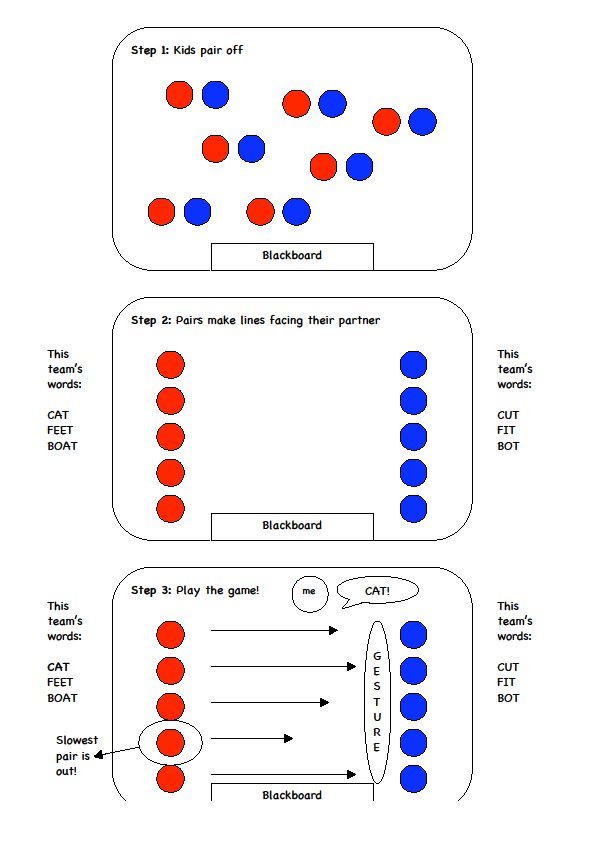
This is a great game for upper elementary school students (and possibly younger JHS students, depending on the size and personality of the class), and requires very little prep. The goal is to get the kids to hear subtle sound differences that don’t exist in Japanese…

Kobe has a lot of nice restaurants, especially in Kitanozaka. Between the city’s huge international population and the local branch of Le Cordon Bleu cooking school, the slopes of Mt. Rokko are practically layered with good eats. Expensive, but good. From that perspective, then, Vieni still stands out from the pack. Located across from Sone, a Kitanozaka Jazz club with an unearned reputation, Vieni is sitting on some prime real estate, so you know the place has to measure up.

Hey Hyogo JETs, hope your winter vacations have been great! Now, I know all the ski trips, Valentine’s chocolate, naked men melées and graduation ceremonies are wrapping up, but don’t resign yourself to Facebook and Cracked.com just yet. Not that I’m knocking either of them – heck, they’re bookmarked on both of my school computers. I’ll never look at Grimace the same way again…sniffle…